Boost Efficiency with Advanced Freezer Solutions: An Energy-Efficient Freezers Guide
- Kemal Tosuner
- Mar 30
- 4 min read
In the commercial refrigeration sector, efficiency is paramount. Businesses rely on freezers to preserve perishable goods, maintain product quality, and reduce waste. Advanced freezer solutions offer significant improvements in energy consumption, operational costs, and environmental impact. This energy-efficient freezers guide explores practical strategies and technologies that enhance freezer performance, helping businesses optimise their refrigeration systems.
Understanding Energy-Efficient Freezers Guide
Energy-efficient freezers use innovative technology to reduce electricity consumption while maintaining optimal temperature control. These systems incorporate advanced insulation, variable speed compressors, and smart controls to adapt to changing cooling demands. The result is a freezer that operates effectively with less energy, lowering utility bills and carbon footprint.
Key features of energy-efficient freezers include:
High-performance insulation: Minimises thermal exchange, keeping cold air inside.
Variable speed compressors: Adjust cooling power based on load, avoiding unnecessary energy use.
LED lighting: Consumes less power and generates less heat than traditional bulbs.
Smart temperature controls: Monitor and adjust settings automatically for consistent performance.
Eco-friendly refrigerants: Reduce environmental impact compared to older refrigerants.
Implementing these features can lead to energy savings of up to 30% compared to conventional freezers. For businesses, this translates into substantial cost reductions over the equipment’s lifespan.

Selecting the Right Freezer for Your Business Needs
Choosing the appropriate freezer depends on several factors, including the type of products stored, available space, and expected usage patterns. Commercial freezers come in various configurations such as upright, chest, and walk-in cold rooms. Each type offers distinct advantages:
Upright freezers: Provide easy access and organisation, ideal for retail environments.
Chest freezers: Offer better insulation and lower energy consumption, suitable for bulk storage.
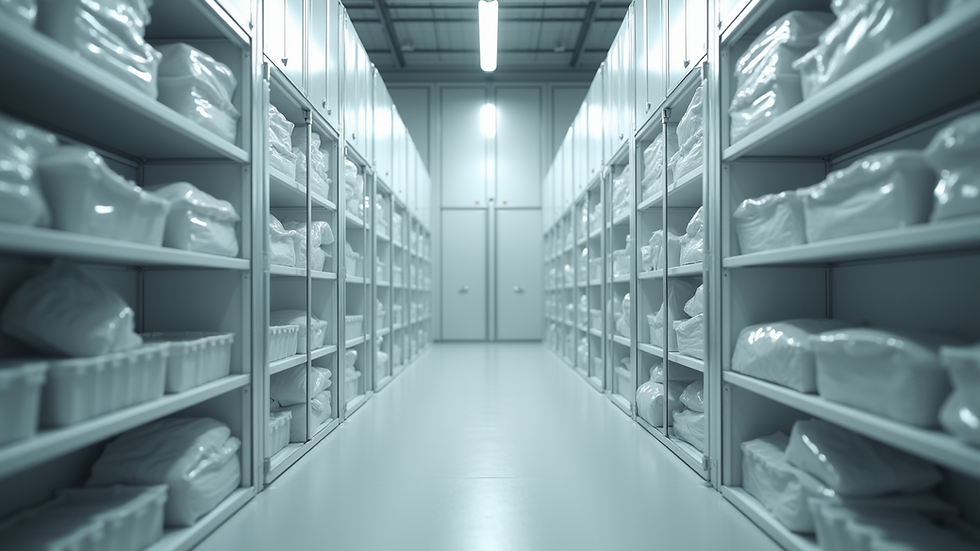
Walk-in cold rooms: Custom-built for large-scale storage, allowing precise temperature control and efficient space utilisation.
When selecting a freezer, consider the following:
Storage capacity: Match the freezer size to your inventory volume to avoid overloading or underutilisation.
Energy rating: Look for models with high energy efficiency certifications.
Temperature range: Ensure the freezer can maintain the required temperature for your products.
Maintenance requirements: Choose equipment with accessible components for easy servicing.
Integration with existing systems: Confirm compatibility with your current refrigeration infrastructure.
Consulting with experts like Alaska Cold can help identify the best freezer solutions tailored to your business.
Is it dark for 3 months in Alaska?
This question often arises when discussing refrigeration in extreme climates. While Alaska experiences extended periods of darkness during winter, it does not last a full three months everywhere. The phenomenon, known as polar night, affects areas above the Arctic Circle, where the sun remains below the horizon for up to 60 days.
Understanding these conditions is relevant for businesses operating in cold regions. Freezers and cold rooms must be designed to handle temperature fluctuations and power supply challenges during prolonged darkness. Reliable insulation and backup power systems ensure continuous operation despite environmental extremes.
Practical Tips to Boost Freezer Efficiency
Improving freezer efficiency involves both selecting the right equipment and adopting best practices in daily operations. Here are actionable recommendations:
Regular maintenance: Clean condenser coils and check door seals to prevent cold air leakage.
Optimal loading: Avoid overfilling or leaving excessive empty space to maintain airflow.
Temperature monitoring: Use digital sensors and alarms to detect deviations promptly.
Defrost management: Schedule defrost cycles during low-usage periods to minimise energy spikes.
Employee training: Educate staff on proper freezer use and energy-saving habits.
Additionally, consider upgrading to freezers with advanced features such as:
Remote monitoring: Enables real-time tracking and control via mobile devices.
Energy recovery systems: Capture and reuse waste heat for other applications.
Adaptive defrost technology: Activates defrost only when necessary, reducing unnecessary energy use.
Implementing these measures can extend equipment lifespan and improve overall operational efficiency.
The Role of Custom-Built Freezer Solutions
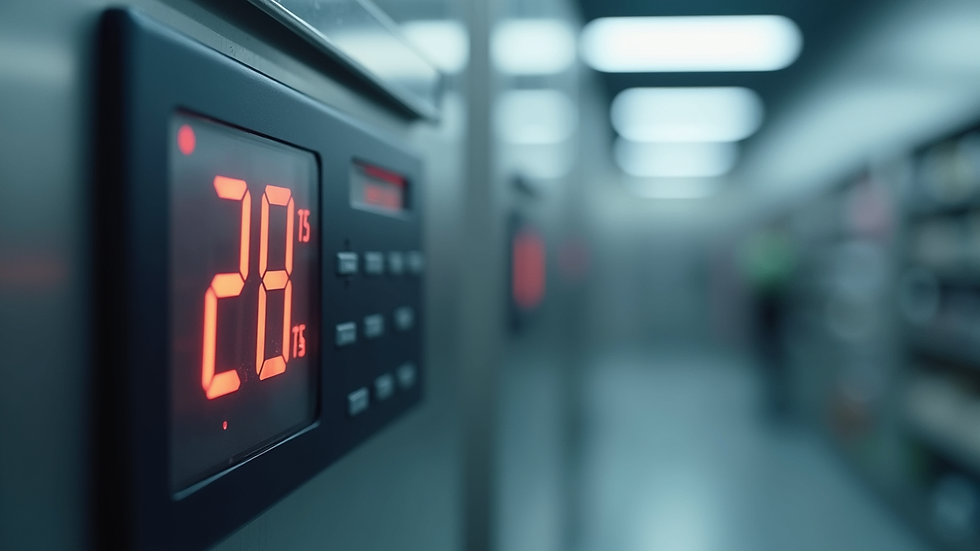
Standard freezers may not meet the unique demands of every business. Custom-built freezer solutions offer tailored designs that optimise space, energy use, and workflow. These systems can incorporate specialised shelving, zoned temperature control, and enhanced insulation materials.
Customisation benefits include:
Maximised storage capacity: Utilise available space efficiently.
Improved product organisation: Facilitate easy access and inventory management.
Energy savings: Design features that reduce thermal loss and power consumption.
Compliance with regulations: Meet specific health and safety standards.
Working with experienced providers ensures that custom freezers align with operational goals and budget constraints. This approach supports long-term sustainability and customer satisfaction.
Future Trends in Freezer Technology
The refrigeration industry continues to evolve with innovations aimed at boosting efficiency and reducing environmental impact. Emerging trends include:
IoT integration: Internet of Things devices enable predictive maintenance and energy optimisation.
Natural refrigerants: Substances like CO2 and ammonia offer low global warming potential.
Solar-powered refrigeration: Utilises renewable energy to reduce reliance on grid electricity.
Advanced insulation materials: Aerogels and vacuum panels provide superior thermal resistance.
AI-driven controls: Artificial intelligence adjusts settings dynamically based on usage patterns.
Adopting these technologies can future-proof refrigeration systems and enhance competitiveness.
Enhancing Business Performance with Reliable Freezer Solutions
Efficient freezer systems are critical for maintaining product quality and reducing operational costs. By investing in advanced, energy-efficient freezers, businesses can:
Minimise spoilage and waste.
Lower energy bills.
Comply with environmental regulations.
Improve customer trust through consistent product freshness.
Partnering with specialists like Alaska Cold ensures access to expert advice and high-quality refrigeration solutions. Their custom-built cold rooms and freezers support diverse business needs, helping maintain optimal storage conditions in any environment.
By focusing on energy efficiency, proper equipment selection, and ongoing maintenance, businesses can significantly boost freezer performance. This approach safeguards perishable goods, reduces expenses, and contributes to sustainable operations. Advanced freezer solutions represent a smart investment for any commercial refrigeration requirement.

Comments